
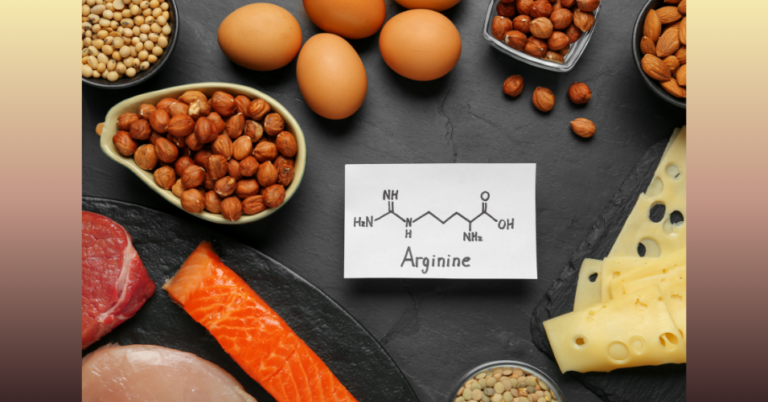
A common amino acid called arginine might play a key role in helping your body fight off serious illnesses. Researchers from Rockefeller University published a study in Cell showing that arginine helps your immune system spot and destroy cancer cells and viruses.
How Arginine Supports Immune Health
Arginine is a natural amino acid. Your body produces it on its own, but you also get it by eating protein-rich foods.
- Building Immune Flags: Immune cells rely on a specific protein called MHC-I. This protein acts like a warning flag on the surface of your cells. It alerts killer T-cells when a cell becomes cancerous or infected by a virus.
- Preventing Ribosome Stalls: Your body needs plenty of arginine to assemble MHC-I proteins. When arginine levels drop, the protein-making factories in your cells (ribosomes) stall.
- Stopping Stealth Attacks: Without enough arginine, cells make fewer warning flags. As a result, diseased cells hide from the immune system much more easily.
Promising Results from Animal Studies
Scientists tested the effects of dietary arginine on mice facing colon cancer and respiratory viruses.
- Fewer Colon Tumors: Mice that ate a diet rich in arginine developed fewer and smaller colon tumors. Conversely, mice on a low-arginine diet grew significantly more tumors.
- Milder Viral Infections: Arginine supplementation protected mice against severe illness from influenza and SARS-CoV-2. Supplemented mice experienced less lung damage, lost less weight, and survived at higher rates.
- Post-Infection Benefits: Remarkably, giving mice arginine after they caught the flu still improved their recovery.
What This Means for Humans
Natural arginine levels often decline as people age or experience poor nutrition. This decline might explain why older adults face higher risks from viral infections and certain cancers.
While these mouse models offer exciting possibilities, scientists stress that human clinical trials must happen next. High doses of supplements can cause stomach upset or lower blood pressure in humans. Therefore, you should always talk to a doctor before starting new dietary supplements.
Source: www.medicalnewstoday.com