
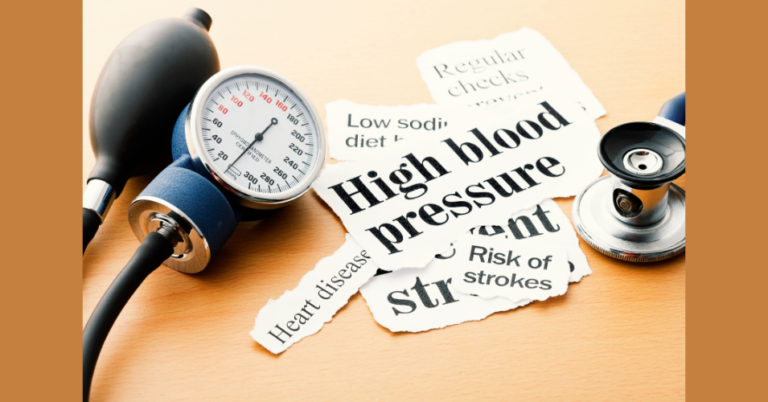
Hypertension, commonly known as high blood pressure, is a widespread health condition affecting nearly half of all adults. It occurs when the force of blood pushing against your artery walls is consistently too high, forcing your heart to work much harder than it should to circulate blood throughout the body.
What makes hypertension particularly dangerous is that it often presents absolutely no symptoms, earning it the ominous nickname “the silent killer.” Without regular medical screenings, many people remain completely unaware that their blood vessels, heart, and other vital organs—like the kidneys—are experiencing ongoing damage. Over time, unmanaged high blood pressure significantly escalates the risk of life-threatening complications, including heart attacks, strokes, and kidney failure.
Fortunately, hypertension is highly manageable and often preventable. While certain factors like genetics and age play a role, lifestyle choices are powerful tools for control. Adopting a heart-healthy diet, cutting back on salt, and engaging in regular exercise serve as the essential first steps in treatment. When lifestyle modifications aren’t quite enough, modern medications can safely and effectively help bring numbers back into a healthy range.
If you want to learn why a person’s blood pressure can increase and what the symptoms are, read on.