
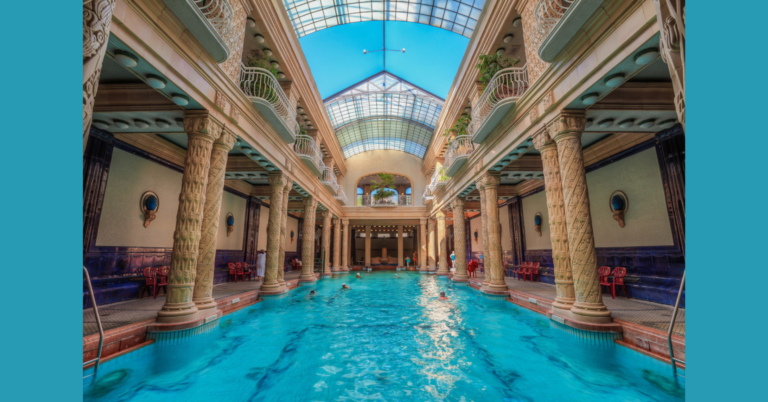
For a first-time visitor, walking into a Hungarian thermal bath can feel a bit like entering a sacred temple. There are grand domes, steaming outdoor pools, and a set of unwritten social rules that locals have followed for centuries.
If you are visiting Hungary for health tourism, these baths are likely the cornerstone of your recovery or wellness plan. To help you blend in like a local and focus entirely on the healing minerals, here is everything you need to know about the “Hungarian Bathing Ritual.”
1. The “Cabin” vs. “Locker” Dilemma
When you buy your ticket, you’ll usually be asked: “Locker or Cabin?”
- The Locker: A standard gym-style locker in a gender-separated room.
- The Cabin: A private, tiny wooden dressing room that you lock with your electronic wristband. Pro-Tip: For health tourists carrying medical documents or extra comfort items, choose the Cabin. It’s only a few dollars more and provides a private “base camp” for your entire stay.
2. The Dress Code: Beyond the Swimsuit
While the baths are grand, the dress code is practical.
- Swimwear is mandatory: Since 2013, almost all major baths (Szechenyi, Gellért) are co-ed every day.
- Flip-flops are not optional: You are required to wear rubber slippers or flip-flops in the hallways and on the pool decks for hygiene and to prevent slipping.
- The Swimming Cap Rule: If you see a pool with lap lanes (usually the cooler, rectangular ones), you must wear a swim cap. You don’t need one for the warm, circular “soaking” pools.
3. The “Thermal Circuit” for Maximum Healing
Locals don’t just jump in and out. There is a physiological sequence to follow for the best health results:
- Shower first: Hygiene is taken very seriously.
- The Warm Soak: Start in a 34°C–36°C pool for 15–20 minutes to open your pores and relax your muscles.
- The Hot Soak: Move to the 38°C–40°C medicinal pool for no more than 15 minutes. This is where the minerals are most concentrated.
- The Cold Plunge: If your heart health allows, dip into the 16°C–20°C cold pool for 30 seconds. This “vascular gymnastics” boosts circulation and immunity.
- Rest: This is the most forgotten step. For every 20 minutes in the water, spend 10 minutes resting on a lounge chair to let your blood pressure stabilize.
4. Silence and Chess: The Social Atmosphere
Hungarian baths are social hubs, but they aren’t water parks.
- Keep it low: Loud splashing, shouting, or jumping is frowned upon. These are places of healing.
- The Chess Players: In Széchenyi, you’ll see men playing chess on floating boards. It’s okay to watch, but don’t offer moves unless you’re invited to play!
- No Selfies in the Steam: Be mindful of privacy. While a photo in the grand outdoor pool is fine, filming inside the saunas or steam rooms is strictly prohibited.
5. What to Pack (The Health Tourist’s Checklist)
Don’t rely on rentals—many baths have phased them out for hygiene reasons.
- Two Towels: One to take to the poolside, and a dry one waiting in your locker for when you’re finished.
- A Bathrobe: Especially in winter, the walk from the indoor changing rooms to the outdoor pools is chilly!
- Water: Thermal water is dehydrating. Bring a plastic bottle (no glass allowed).
- Leave the Silver at Home: The sulfur in the water can turn silver jewelry black in seconds!
Medical Note: If you are in Hungary for a specific medical procedure, always check with your doctor before entering the 38°C+ pools, as the heat can affect certain medications or post-surgical recovery.