
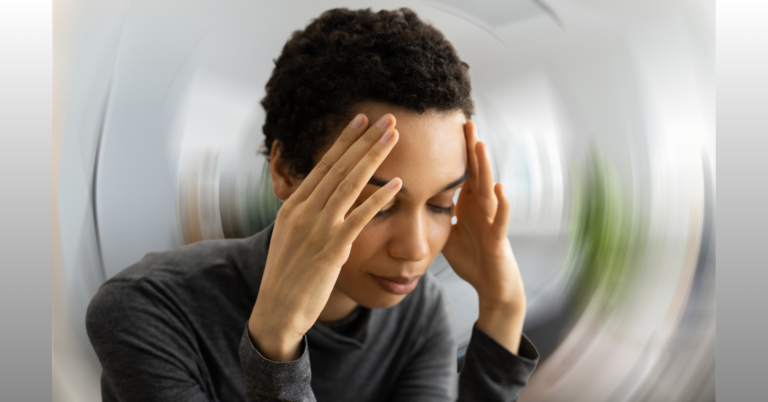
This unique type of migraine causes classic symptoms like vision changes, dizziness, and light sensitivity—but without the actual headache. While it affects about 4% of migraine sufferers overall, nearly 40% of people who experience migraines with aura will transition to these headache-free episodes later in life. The exact cause of migraine is unknown, but genetic and environmental factors are likely to play a role.
A doctor can diagnose silent migraines using your medical history, symptoms, and a physical exam. To rule out other health conditions, they may also order blood tests, a dilated eye exam, or scans like an MRI, CT, or spinal tap.
Important: Seek medical care immediately if you experience aura symptoms (like vision changes or dizziness) for the first time, as they can mimic serious emergencies like a stroke or meningitis.
To learn more about what a silent migraine feels like, what triggers it, and how to treat it, check out the full article on MedicalNewsToday.