
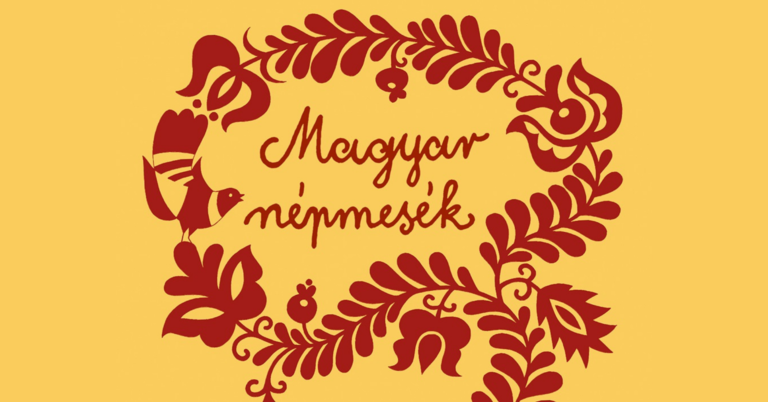
If you grew up in Hungary—or if you’ve ever fallen down a YouTube rabbit hole of international animation—you likely recognize the iconic spotted bird perched on a floral vine, chirping to the tune of a lonely flute.
This is the opening of Magyar népmesék (Hungarian Folk Tales), a legendary animated series that did more than just entertain children; it preserved the soul of a nation’s oral history.
Watch Hungarian Folk Tales on Youtube
Why It’s a Cultural Treasure
Launched in the late 1970s by the Pannónia Film Studio, the series ran for nine seasons, covering over 100 episodes. But what makes it truly stand out in the world of animation?
- Authentic Visuals: Each episode is a moving piece of art, heavily inspired by Hungarian peasant art and folklore motifs. The swirling floral patterns and traditional costumes aren’t just decorative—they are a tribute to rural heritage.
- The Voice of a Legend: Most episodes are narrated by Gyula Szabó. His warm, gravelly, and expressive voice feels like a grandfather telling you a story by a warm fireplace.
- Witty Narratives: These aren’t your sanitized, “Disneyfied” fairy tales. They are gritty, humorous, and deeply clever. Whether it’s a poor shepherd outsmarting a king or a “Smallest Son” conquering a seven-headed dragon, the stories celebrate wit over brute strength.
In an age of high-octane CGI, there is something deeply grounding about the hand-drawn, rhythmic flow of Magyar népmesék. It reminds us that no matter how much the world changes, we will always need stories about honesty, bravery, and a little bit of magic.
Fun Fact: The series’ iconic theme music was composed by the band Kaláka, one of Hungary’s most famous folk-based musical groups!